

Understanding stress and anxiety in dogs and cats isn't always easy. Often, these emotional states can go unnoticed because animals tend to mask them or express them through behaviors that aren't easy to interpret. Let's understand that stress serves an adaptive function that helps living beings face new situations, which can be perceived as challenging or threatening. However, when this state is prolonged over time or increases in intensity, it can generate a considerable negative impact, surpassing the animal's capacity to adapt and affecting both their physical and emotional health. One example of this is the manifestation of anxiety, which arises when the animal is unable to cope with stress adequately. In these cases, dogs and cats experience sensations of discomfort and unease that manifest through signs such as trembling, unusual barking or meowing, excessive drooling, panting without heat, changes in eating patterns — whether decreased appetite or complete refusal of food — changes in elimination habits (in places where they previously didn't), compulsive licking — especially on their paws —, destructive behaviors like chewing objects, hiding for long periods (cats), defensive-aggressive behaviors (growling or snarling) and even episodes of vomiting and diarrhea. The best way to help them is by recognizing the factors that can trigger severe stress, such as:
- Changes in the environment: moving, renovations, new family members arriving, loss of a loved one or being left alone for long periods.
- Loud or unexpected noises: like thunder, fireworks, construction work or loud music.
- Lack of socialization or traumatic experiences: negative past situations that generate insecurity or fear.
- Unstable routines: changes in feeding schedules, walks or daily activities.
- Vet visits, hospitalizations or travel: events that usually generate discomfort or fear.
- Prolonged separation from the caregiver or the caregiver's own stress: animals can perceive and be affected by human emotions.
- Living with other animals without a proper transition: especially in cats, who are more sensitive to the presence of other individuals in their territory.
- Cramped spaces for multiple animals: lack of space can generate tension, competition and conflict.
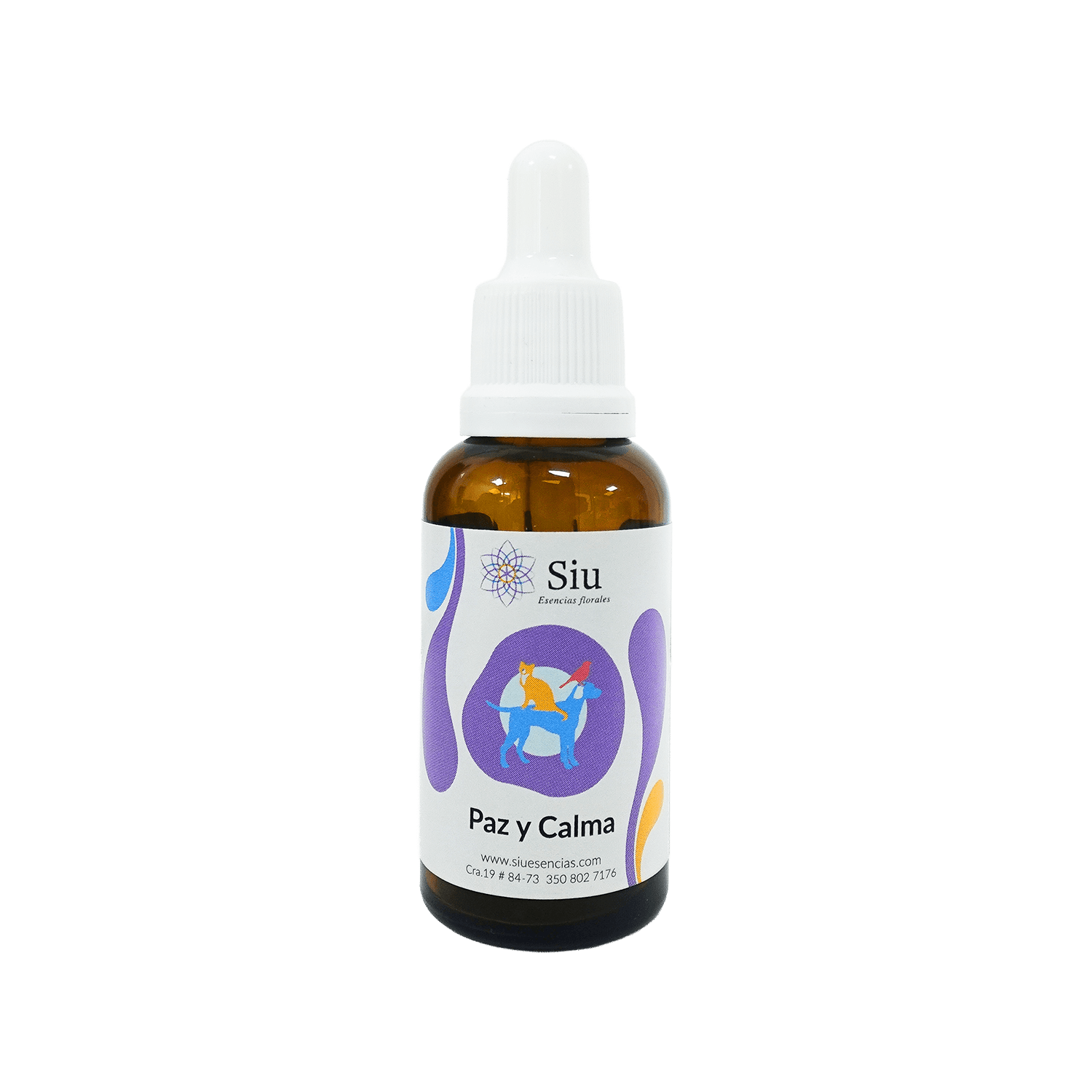
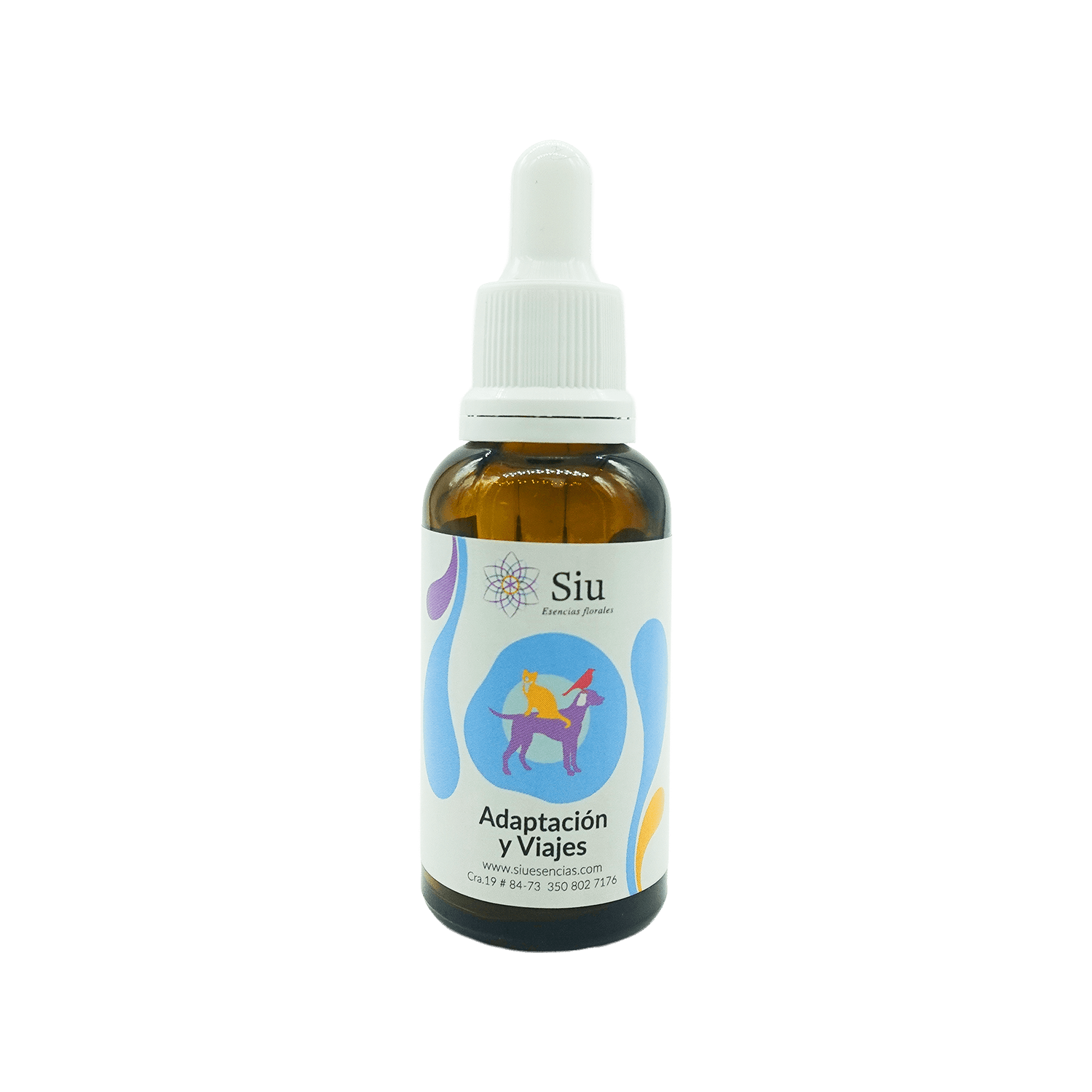
Most of these situations cause states of insecurity and fear in our furry companions, making them feel, in many cases, vulnerable and threatened. Therefore, once we identify the factors that trigger their stress, we can intervene in a timely manner to minimize their negative effects and promote their emotional well-being. It is ideal that during any process that may generate stress, the animal has the support of their closest environment — the one that provides them with security and trust. Likewise, the prior administration of flower essences can support emotional balance and regulation, helping the transition be calmer and more positive. For example, using the Siu Paz y Calma or Siu Adaptación y Viajes blend are the ideal combination to provide support during moments of stress and anxiety. For critical situations where the emotional crisis is uncontrollable, we can turn to the Siu Urgencia formula, which provides emotional support during moments of extreme panic.