
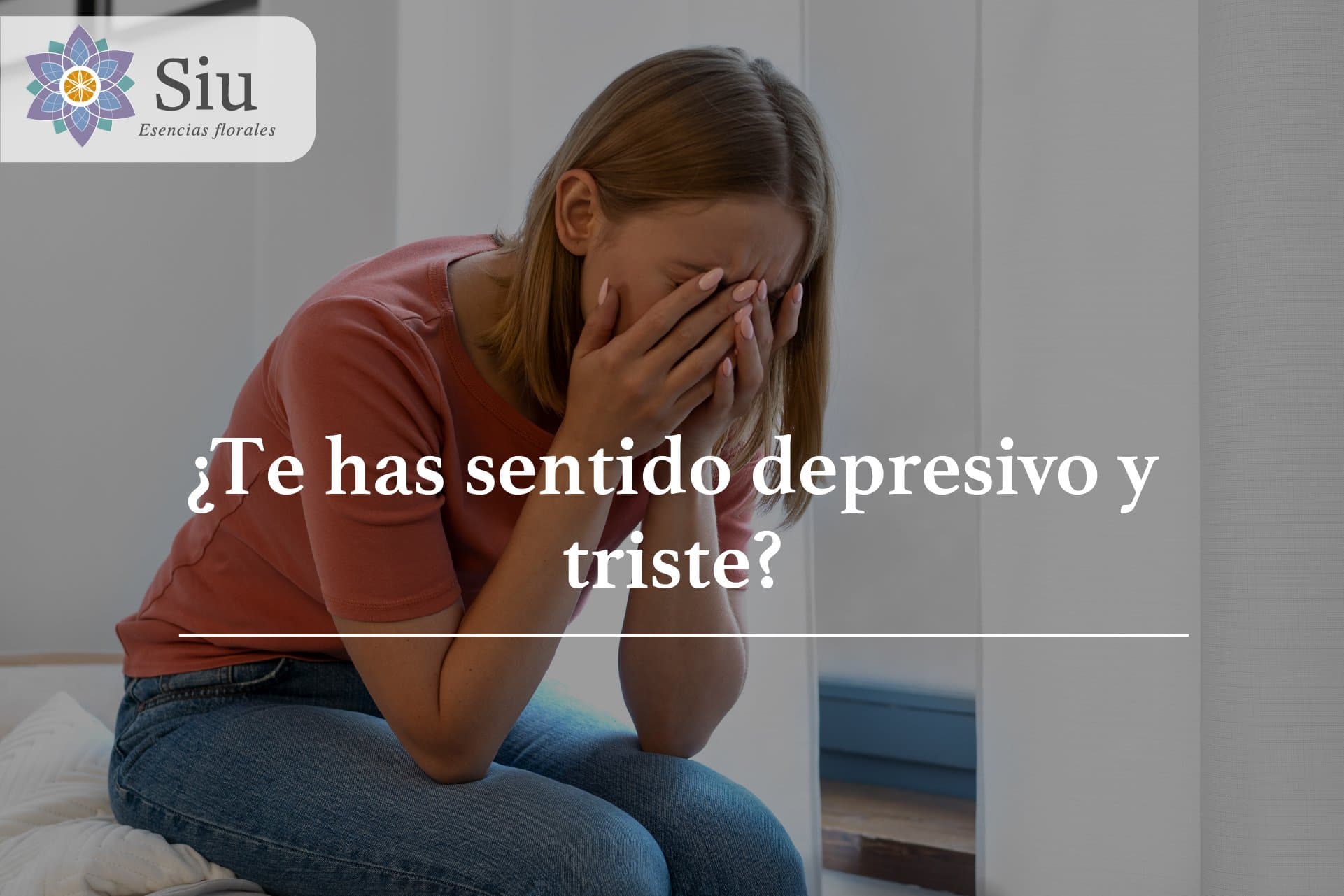
Going through this feeling of emptiness, hopelessness, and loss of interest in activities you once enjoyed can be caused by the hectic pace of daily life; it has surely brought changes in your appetite, sleep, and energy; this affects your daily activities or even makes even the simplest tasks difficult.
Feeling this way can affect anyone, regardless of age or gender. Have you wondered what the causes might be? It's been thought that the pressure of social expectations, work stress, financial difficulties, and complicated interpersonal relationships can be triggers, but sometimes, depression and sadness can arise without an apparent reason, related to biological and genetic factors.
Let's talk a bit more about sadness as a human emotion — normal and healthy.
It's our natural response to loss, disappointment, or the perception of injustice. Feeling sadness is part of the emotional spectrum that makes us human. It allows us to process difficult events, reflect on our experiences, and eventually find a way to move forward.
However, when sadness is prolonged or intensified, it can be difficult to manage. Persistent sadness can negatively influence our mental and physical health, affecting our quality of life and our relationships. It's necessary to recognize when sadness stops being a passing emotion and becomes a constant obstacle in our daily lives.
How can it affect my daily life?
Depression and chronic sadness can have devastating effects on our lives. On a personal level, they can reduce our ability to enjoy the things we love, decrease our productivity at work, and affect our relationships with friends and family. Activities that were once pleasurable may feel empty, and achievements may feel insignificant.
But did you know that the social realm can also be affected? These conditions can lead to isolation, and the lack of understanding or the stigma associated with mental health problems can make people feel alone and ashamed to seek help. This creates a serious problem, leading to a vicious cycle that's hard to break.
Find your LIGHT in the DARKNESS!
Despite the darkness that depression and sadness can bring, there is hope. Recognizing that you're struggling is the first step toward recovery. Talking openly about our emotions with friends, family, or a mental health professional can be incredibly liberating. Therapy and self-care techniques such as exercise, meditation, and a balanced diet can help manage and overcome these emotional states.
Additionally, it's essential to cultivate compassion toward ourselves. Life has many ups and downs, and it's okay not to be okay all the time. Allowing yourself to feel, to cry, and to seek comfort is part of the healing process. We're not alone in our struggles, and every step forward, no matter how small, is a meaningful advance.
Depression and sadness are complex realities that deeply affect our daily lives. By addressing these emotions with empathy and understanding, we can begin to heal and find the strength to live a full and meaningful life. Vulnerability is not a weakness; it's part of being human that opens the door to resilience and reminds us that asking for help is an act of courage and the first step toward a brighter life.