
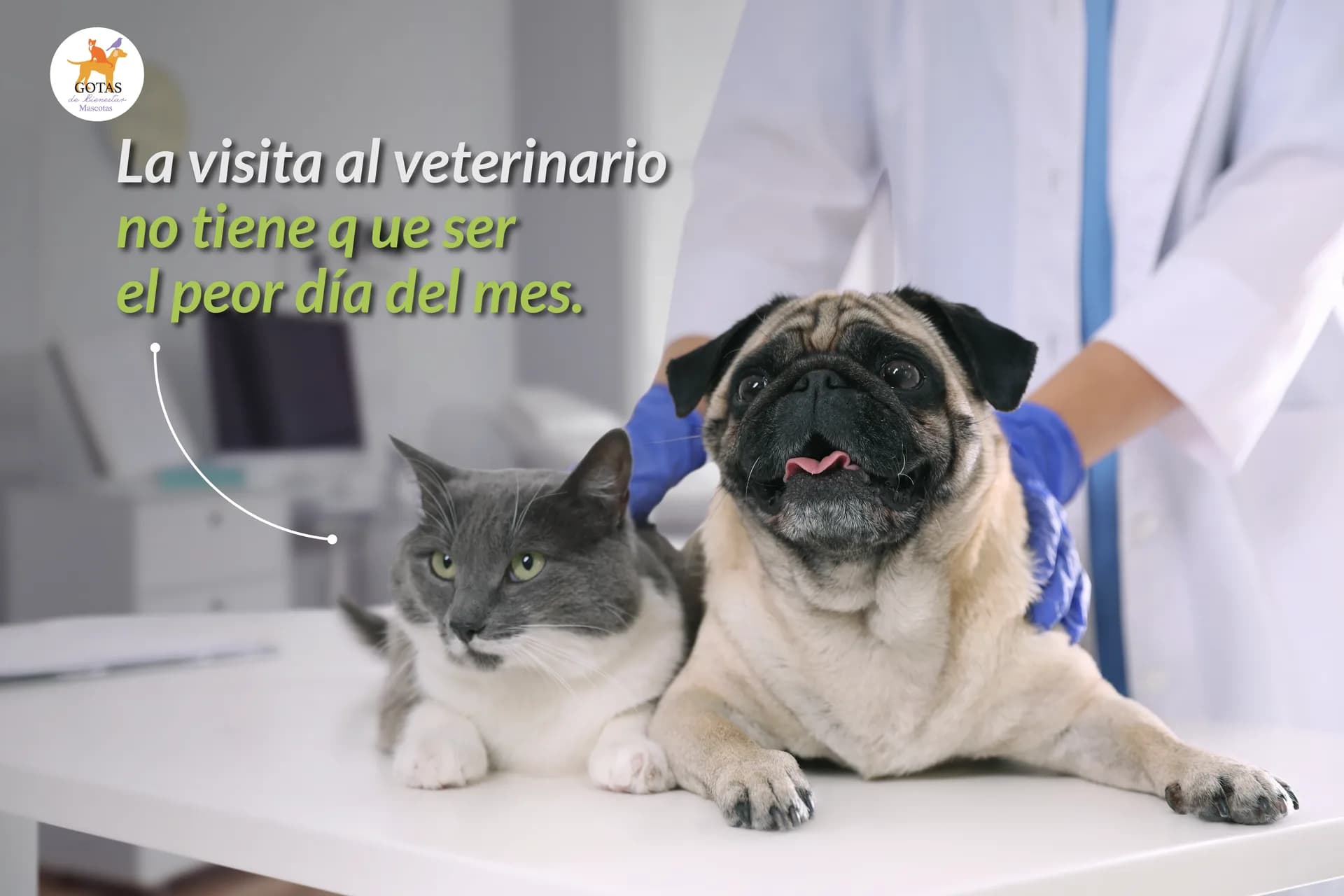
There is a scene many pet guardians know well: the carrier comes out and the cat disappears under the bed. Or it’s time to put the leash on the dog and, even though it usually jumps with excitement at the word “walk”, that day it doesn’t seem to want to move.
Sometimes we think it’s stubbornness, that it “knows it’s going to the vet” or that it simply doesn’t like leaving the house. But behind these reactions there may be something much simpler: an association.
If the carrier only comes out before a visit to the vet, your cat may have learned to link that object with an experience it finds uncomfortable. The same can happen with the leash, the car, certain smells or even the way we behave when we know we have an appointment.
That’s why preparing your pet for the vet starts long before you walk into the consulting room. It isn’t about making sure it never feels afraid, but about making every step of the process as familiar, predictable and calm as possible.
The visit to the vet starts at home
For us, the visit begins when we leave the house; for them it can begin much earlier. A pet can notice that something different is happening as soon as we take out an object that is usually put away, change our routine or start moving around in more of a hurry than usual.
That’s why one of the best times to prepare for a vet visit is precisely when there is no appointment scheduled. With cats, for example, leaving the carrier somewhere accessible for a few days can help it stop being an object linked only to leaving the house. You can leave it open, put a blanket it recognizes inside or let it approach on its own. The idea isn’t to force it in, but to give it the chance to get used to it.
Something similar happens with dogs and items such as the leash or the car. If each of them only appears before a situation that makes it uneasy, the association can grow stronger. Bringing them into everyday moments from time to time means they stop announcing that “something different is going to happen”.
You might be interested in: Wellbeing routines for your pet: small habits that strengthen its wellbeing every day
Getting it used to being handled is also part of the preparation
During a vet visit they may check its eyes, ears, mouth, paws, abdomen and other parts of the body. For a pet that isn’t used to this kind of handling, being examined by a stranger can be overwhelming.
One way to prepare it is to include short moments of handling at home.
You can gently touch one of its paws, check an ear or briefly lift its lip to look at its teeth. Do it for just a few seconds, at a time when it is calm. If you notice signs of discomfort, stop.
The goal isn’t to do a vet check-up at home, but to help it recognize that certain kinds of touch are part of its everyday life. That’s where patience matters. It isn’t about pushing on until it tolerates everything, but about respecting its pace and stopping before the experience becomes unpleasant.
A calm pet also needs a calm environment
Some factors don’t depend only on your pet. The trip to the clinic, the noise, other animals in the waiting room, unfamiliar smells and the waiting time can all add stimuli at a moment that is already different from its routine.
Whenever possible, you can ask about times with fewer patients or about options to reduce the time it spends in the waiting room. For cats, keeping the carrier partly covered with a blanket can help reduce visual stimuli during the trip. It can also help to bring something that smells like home, such as a small blanket.
These are simple details, but they can make an unfamiliar place feel a little less strange.
How to help your pet find serenity and balance
On the day of the appointment: less rushing, more planning
Good preparation also means avoiding last-minute scrambles. Getting any documents you need ready in advance, setting up the carrier, having the leash ready and planning the travel time lets you leave home under less pressure.
And there is something important: the vet’s instructions always come first.
If your pet needs to fast before a test or procedure, follow the instructions you were given exactly. It’s not a good idea to change its feeding based only on general recommendations found online.
It’s also worth asking the professional what to do before the visit depending on its purpose. A routine check-up doesn’t necessarily require the same conditions as a test, a procedure or surgery.
Your pet also picks up on how you feel
It’s easy to think that our pets only react to what happens around them. However, they are also attentive to our movements, tone of voice and behavior.
If we rush out because we’re late, keep pulling the leash tight or are especially restless, we probably won’t be helping make the situation calmer.
This doesn’t mean we should pretend nothing is happening. It means something much simpler: preparing ourselves too.
Leaving with time to spare, speaking naturally and avoiding sudden movements can make the trip more predictable for both of you.
You don’t need to turn the vet visit into a perfect experience. You just need to avoid adding unnecessary tension to it.
During the visit, observe and share
assesses its health, your observation is an important part of the visit. If you have noticed that it eats differently, sleeps more, hides, has changed its behavior, keeps licking one area or is simply “not its usual self”, tell the professional. Changes in behavior can also be signs worth checking.
And if you know your pet tends to react with fear, tries to escape, growls, meows intensely or gets especially nervous during visits, say so before the examination begins. That information can help the veterinary team adapt how they handle it and take the necessary precautions.
You don’t have to wait for a difficult situation to happen before talking about it.
There is also something to do after the visit
Leaving the consulting room doesn’t always mean the experience is over for your pet. After a different or demanding situation, some pets need a moment of calm before going back to their routine, so when you get home, let it rest and watch how it behaves.
There’s no need to turn the return home into a big celebration. Sometimes the best thing is simply to get back to the usual rhythm: its resting place, its familiar objects, water, food when appropriate and a calm environment. You can also end the day with a pleasant experience that is part of its routine, such as some playtime, a calm walk or time with you.
Over time, these small experiences can help build a different association: the vet visit was something that happened, but afterwards we went home and everything was fine.
Preparing is also accompanying
Not all pets react the same way to the vet. Some handle the process easily; others need more time, patience and preparation.
That’s why the goal shouldn’t be for your dog or cat to “behave” or never feel afraid. Fear is also a form of communication and deserves to be heard. Preparing it means observing it, recognizing its signals, anticipating the moments that may be difficult and making small changes so the experience is easier to bear.
And, above all, understanding that wellbeing isn’t built only on the day of the appointment. It’s built at home, in the routine, in how we transport it, in how we accompany it and in the trust we build little by little.
Support that starts earlier
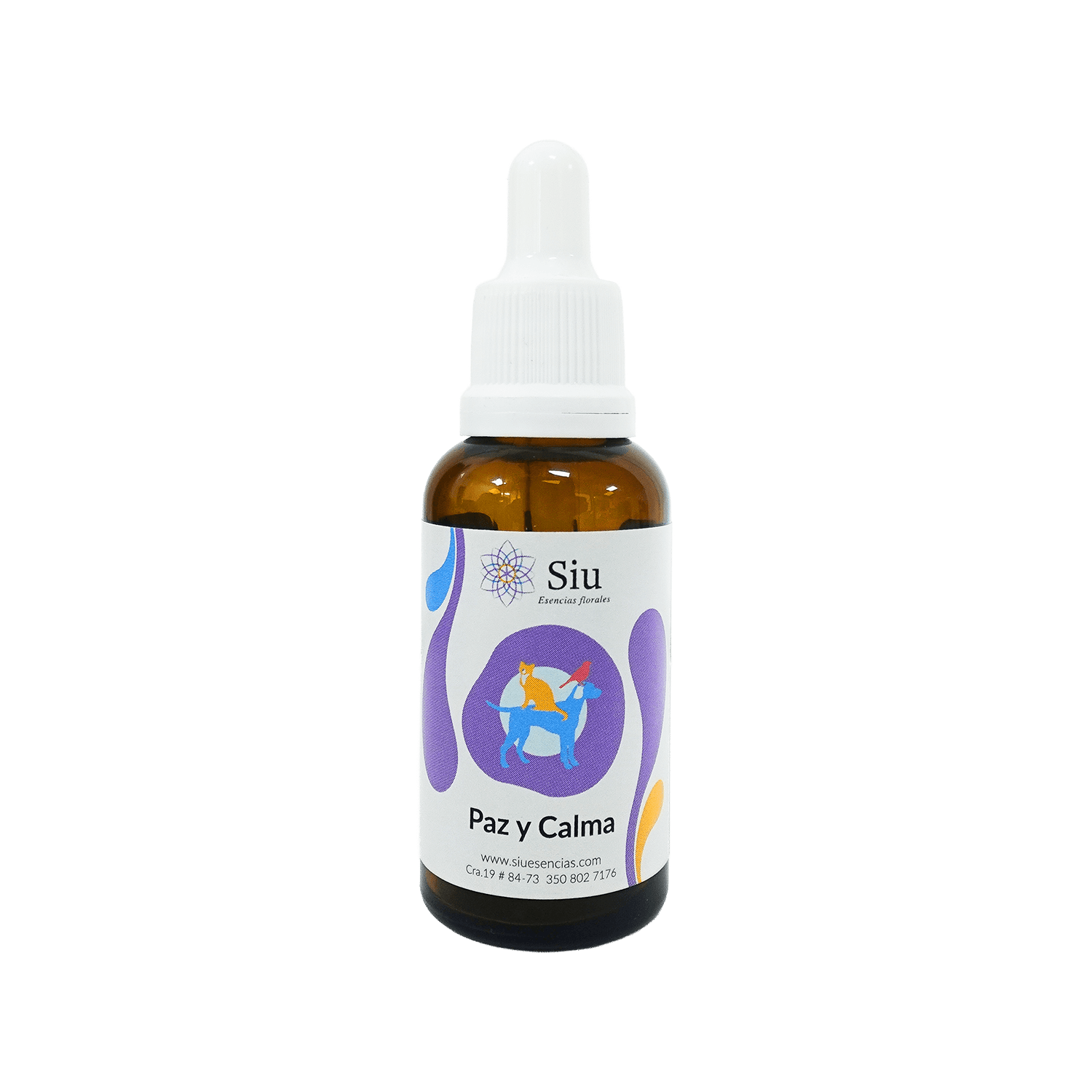
At Mascotas Siu we see wellbeing as support that can also be present in those everyday moments that involve changes or different situations. That’s why Paz y Calma can be added as a complement to your pet’s care routine in moments of nervousness or restlessness.
It’s important to remember that flower essences are a wellbeing complement. They do not cure or treat illnesses and do not replace the assessment, diagnosis or treatment prescribed by a veterinarian.
If your pet shows changes in behavior, physical symptoms or a reaction that worries you, the most important thing is to consult a professional. Preparing for a vet visit doesn’t mean removing everything that might make it uncomfortable, but accompanying it better, from before you leave home until the moment it feels safe there again.
You might be interested in: Which flower essence is right for your pet?
Related products
Explore Paz y Calma, a supportive option for those moments when your pet may need a little more calm.