
Did you know your furry companion's well-being doesn't depend on one big change, but on several small habits repeated day after day? Just as we need routines that give us stability, our pets also flourish when their day to day has moments of calm, movement, connection, and care.
If you've ever wondered what you can do to help your dog, cat, or rabbit feel better, here's a warm, practical guide. Nothing complicated, just small habits that make a big difference.
1. Routines that provide security
Pets are creatures of habit. Eating, going for a walk, or playing at roughly the same time every day gives them a sense of predictability that lowers stress. You don't need a schedule accurate to the minute, but a general structure they can recognize.
Tip: if you notice your pet gets anxious at specific moments (before you leave, when visitors arrive, at bedtime), try anticipating it with a short, calm routine right before. That gentle transition helps far more than it seems.
2. Daily movement, even if it's small
It's not about marathons, it's about consistency. A dog that goes out for 20 minutes every day tends to be more balanced than one that only goes out for an hour on weekends. For cats, a few minutes of active play (string, balls, moving toys) serves the same purpose.
Tip: combine the walk with moments of free exploration, where your pet can sniff around and decide where to go. That stimulates their mind, not just their body.
3. Mental stimulation, not just physical
Boredom is one of the silent enemies of animal well-being. Interactive toys, hiding treats for them to find, or simply rotating their toys every week keeps them from sliding into listlessness or frustration.
Tip: treat dispensers or snuffle mats are a great way to keep them entertained while they eat, ideal if you notice your pet eats too fast or gets bored easily.
4. Caring for the space where they live
A comfortable corner, away from loud noises, with their bed, fresh water, and something that smells like “their territory” makes a big difference in how they feel. Pets also need their own “safe place” they can retreat to when something becomes too much.
Tip: if you have more than one pet at home, make sure each one has its own resting space. Sharing everything all the time can also create tension between them.
5. Physical contact with intention
Petting isn't just an affectionate gesture, it's also a form of communication. Learning to read their body language (when they want contact and when they'd rather have space) strengthens the bond and avoids unnecessary moments of stress.
Tip: watch the ears, the tail, and the posture before approaching. A relaxed body invites petting; a tense body, or one that pulls away, is asking for space.
6. Paying attention to signs of change
A move, a new family member (human or animal), trips, loud noises, or even weather changes can alter your pet's behavior. They don't always express it with whining; sometimes it's just a subtle change in appetite, sleep, or energy.
Tip: write down any major routine change at home. If you notice your pet behaving differently around those days, you'll know it's probably related and can support it better.
7. Diet and hygiene as part of overall well-being
Good nutrition, water always available, and basic hygiene care (brushing, ear cleaning, nail trimming) don't just prevent health problems, they're also part of emotional well-being. A pet that feels comfortable in its body is generally calmer.
Tip: regular brushing, besides caring for their coat, is also a moment of connection. Use it as a calm ritual, not just a chore.
When daily care needs extra support
All of these habits build a solid foundation of well-being. But there are moments when our pets need extra support: a move, the arrival of a new family member, a learning process, a stage of adjustment, or simply a bit more calm in their day to day.
For those moments, we've developed flower essences designed to support the emotional and behavioral well-being of dogs, cats, rabbits, and some birds. They're a natural complement to the daily habits you already build with your pet, not a substitute for them.
Some of the ones most used by families looking for natural support
- Paz y Calma, to support pets with stress, anxiety, or hyperactivity.
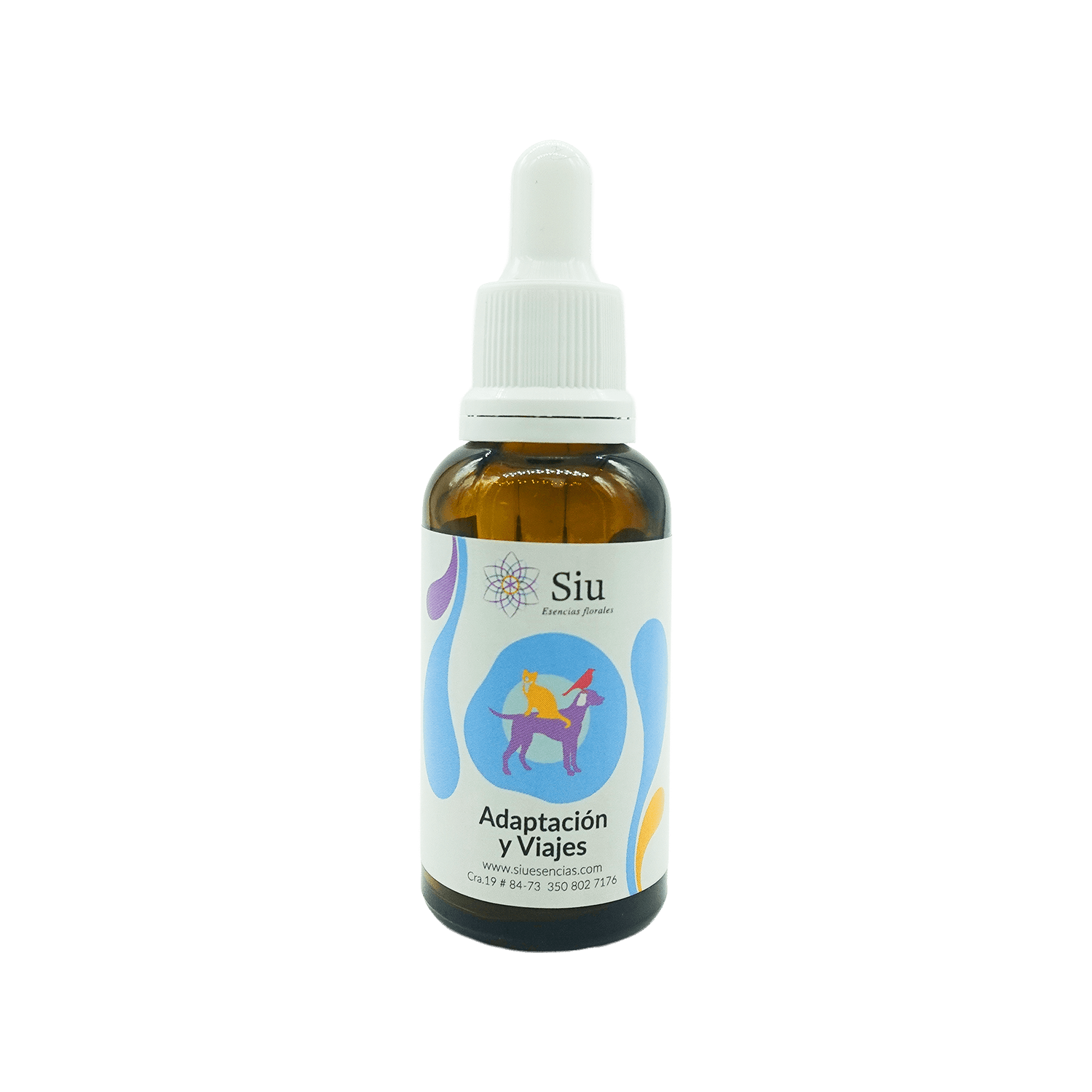
- Adaptación y Viajes, ideal if there's a big change at home: a move, a trip, or a new family member.
- Rescate, designed for cases of accidents or extreme fear.
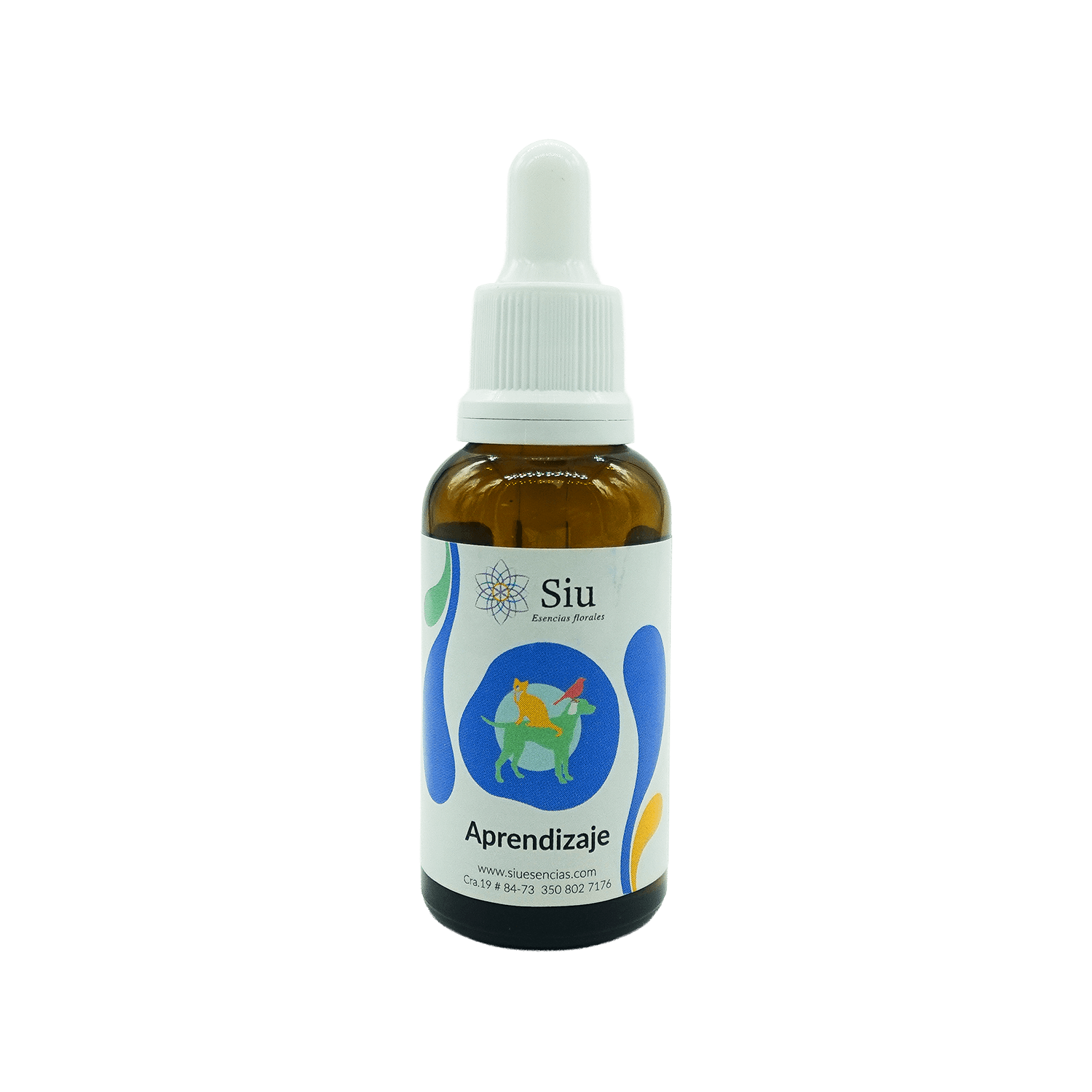
- Aprendizaje, which supports behavior and learning processes, perfect if you're reinforcing habits or training your furry companion.
As with everything we do, these essences don't cure or replace veterinary care. What they aim to do is support and accompany your pet's well-being, naturally, as one more ally within those small daily habits that care for it so much.
Discover all the flower essences we have for your pet's well-being: