

When someone close to us is going through depression, it's common to feel lost and unsure of how to help. We see that person, sometimes so full of life, slowly fading between sadness and disinterest. In those moments, love and understanding become our best tools, but how can we use them effectively?
1. Listen without judging:
Depression is a dark place where, most of the time, the person experiencing it feels that no one could understand their pain. Accompanying in silence, listening with the heart, and avoiding phrases like "cheer up" or "everything will be fine" can be more comforting than we imagine. Listening without interrupting gives them space to express themselves, without feeling they need to hide what they're feeling.
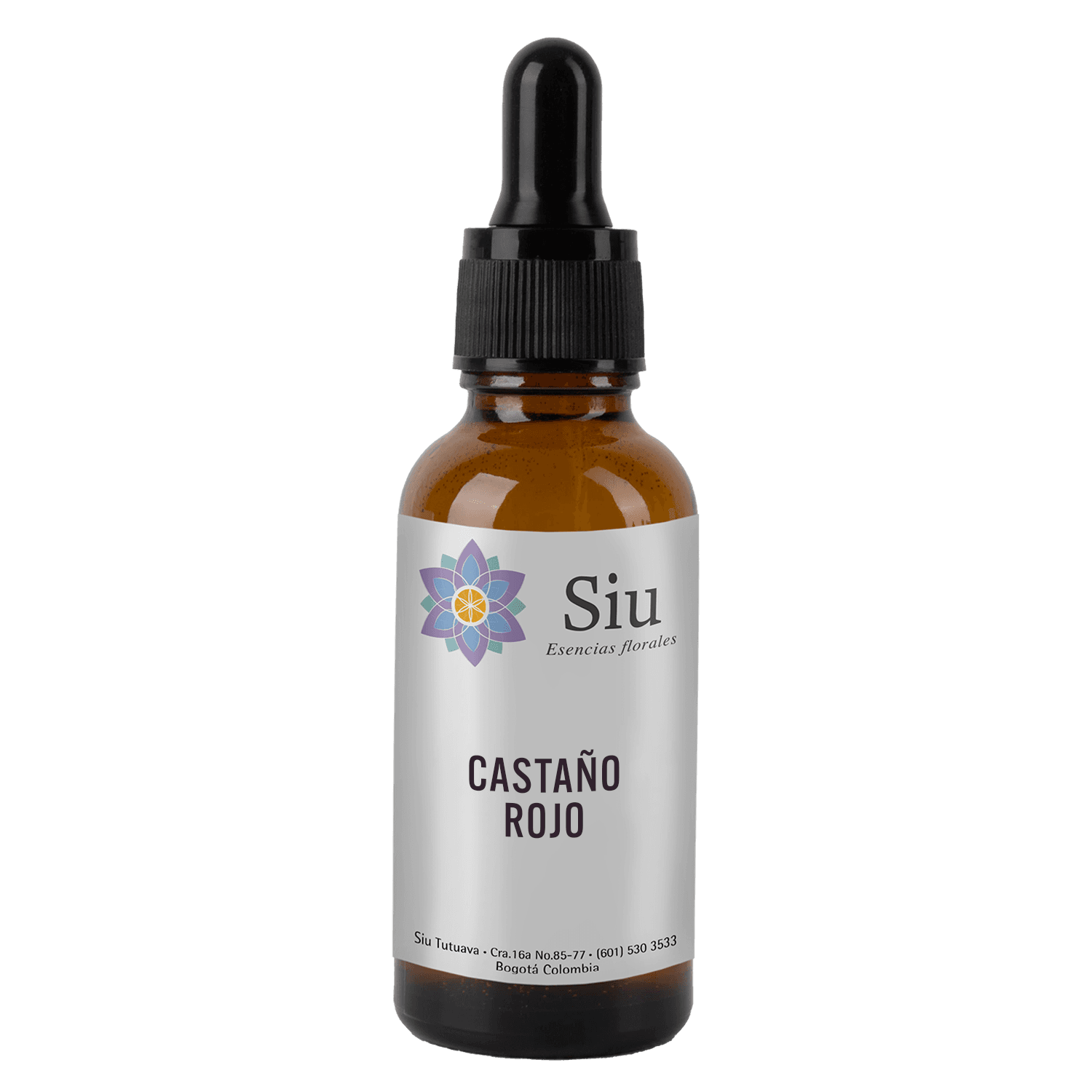
For this type of situation we recommend taking the essence: Red Chestnut
2. Offer your presence, not solutions:
The tendency to want to fix problems is natural when someone we love is suffering. However, depression is not a problem to solve, but an experience to accompany. Ask how you can support them: "Is there anything you need?" "Would you like to go for a walk?" Offering companionship can make a great difference. The simple act of being there, without pressuring, can be a reminder that they are not alone.
3. Be patient with the timing:
Depression has no clock or calendar. There will be better days than others, and it's essential that as companions we understand the ups and downs. Not expecting quick changes and accepting every step, no matter how small, as an achievement. Patience and consistency are a way of showing them that their well-being matters to us and that we won't leave, no matter how long the road may be.
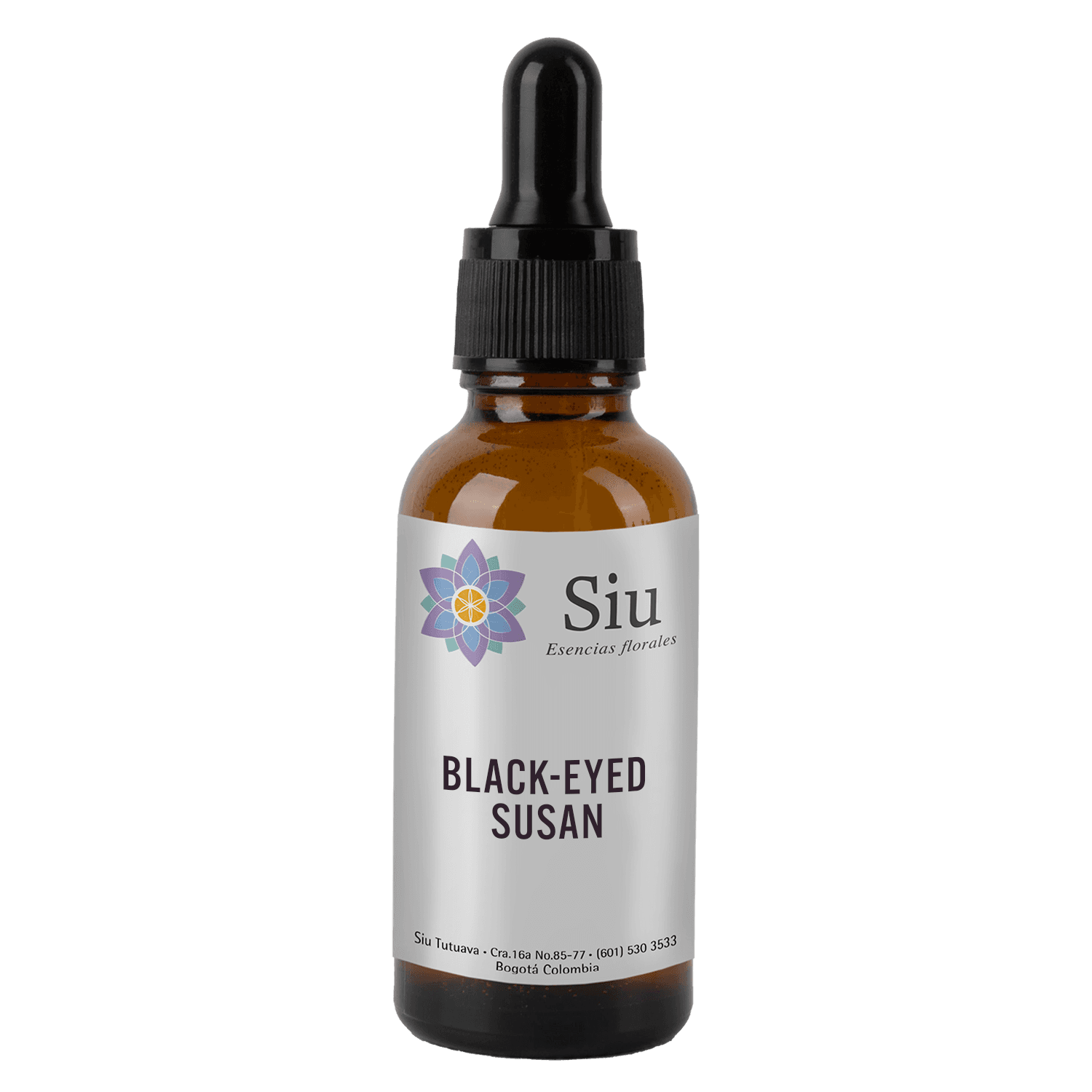
For this case you might try taking the flower essence Black Eyes Susan, as it can help you in moments of stress, since it develops the understanding of "everything in its due time". It relaxes, allows you to look inward, find stillness, and enjoy peace. It fosters gentleness, kindness, tolerance, and acceptance of others.
4. Encourage connection with life:
In depression, it's common for the person to lose interest in what once made them happy. You can suggest gentle activities, like taking a walk outdoors, enjoying the sun, or even listening to a relaxing song together. It's not about forcing, but about opening small windows to the outside that remind them that life goes on and that they can find a moment of relief in those experiences.
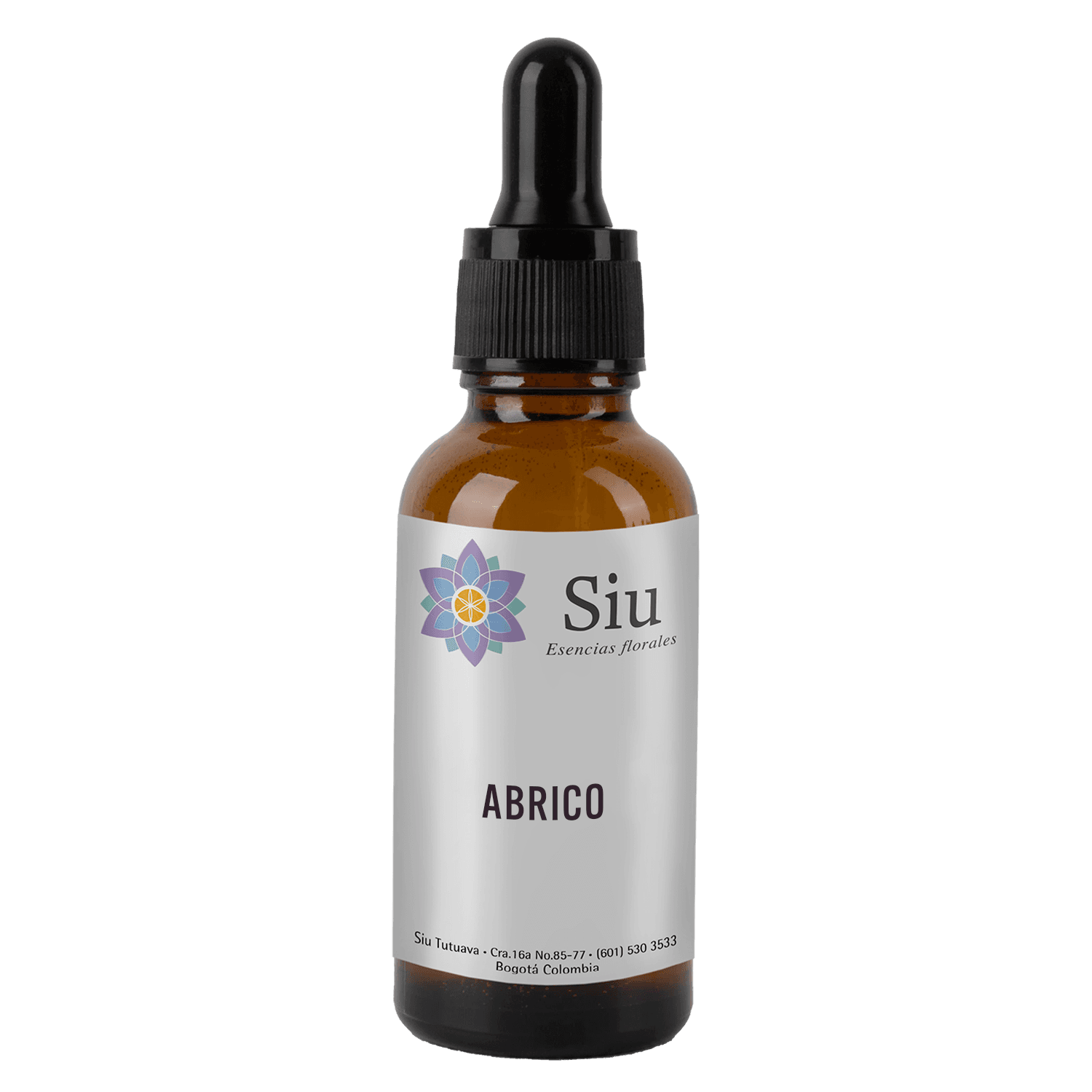
For those who feel disconnected from everything and everyone and carry a feeling of deep loneliness, we recommend taking Abrico. This flower essence promotes the reconnection of the upper energy channels, helping you feel part of something again.
5. The importance of seeking professional help:
Although support from friends and family is vital, it's important that the person experiencing depression receives professional help. Psychologists and therapists specialized in mental health can offer the tools needed to move forward. Accompanying them in that process, even helping to find the right professional, can be a great act of love.
Natural support
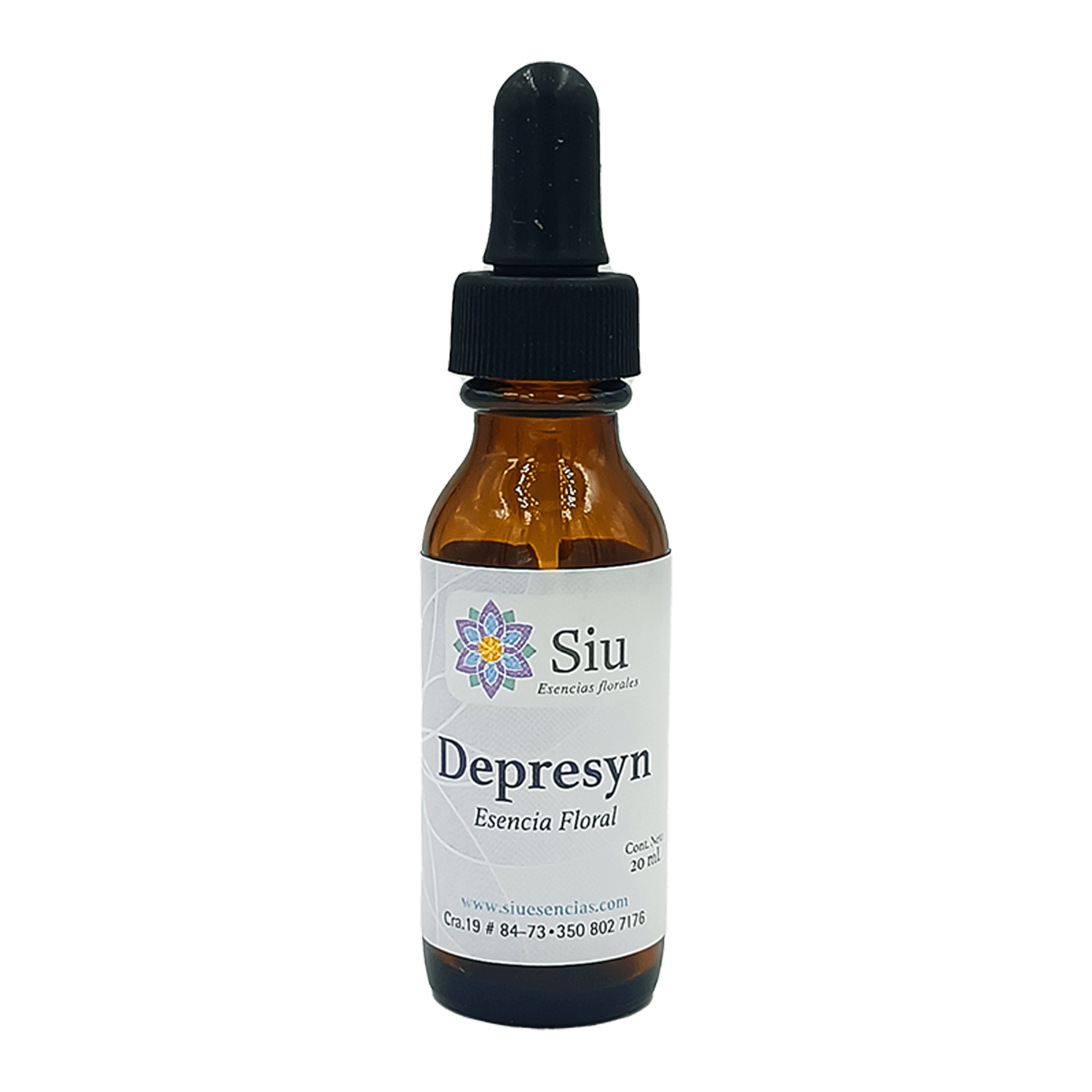
Beyond emotional support and seeking professional help, there are natural options that can contribute to the recovery of a healthy mood. Our flower essence Depresyn is designed for those moments when sadness, apathy, and lack of motivation take over life, with or without a known cause. Depresyn seeks to restore motivation and enthusiasm for life, helping those who need it reconnect with the light that has always been within them.
Remember that love and patience are essential when accompanying someone through depression. Every gesture of empathy, every word of encouragement, and the possibility can be small rays of sunshine in the midst of the storm. No one should face depression alone, and together we can be that warm embrace that reminds them that life goes on, even on the greyest days. #Siunosimportastú
Floral therapy does not replace medical or psychological therapies; it is a complement or tool for finding emotional well-being and balance. Remember that it is always best to seek a professional when we identify a close case of depression or any other emotional condition that may be present in our lives or surroundings.