

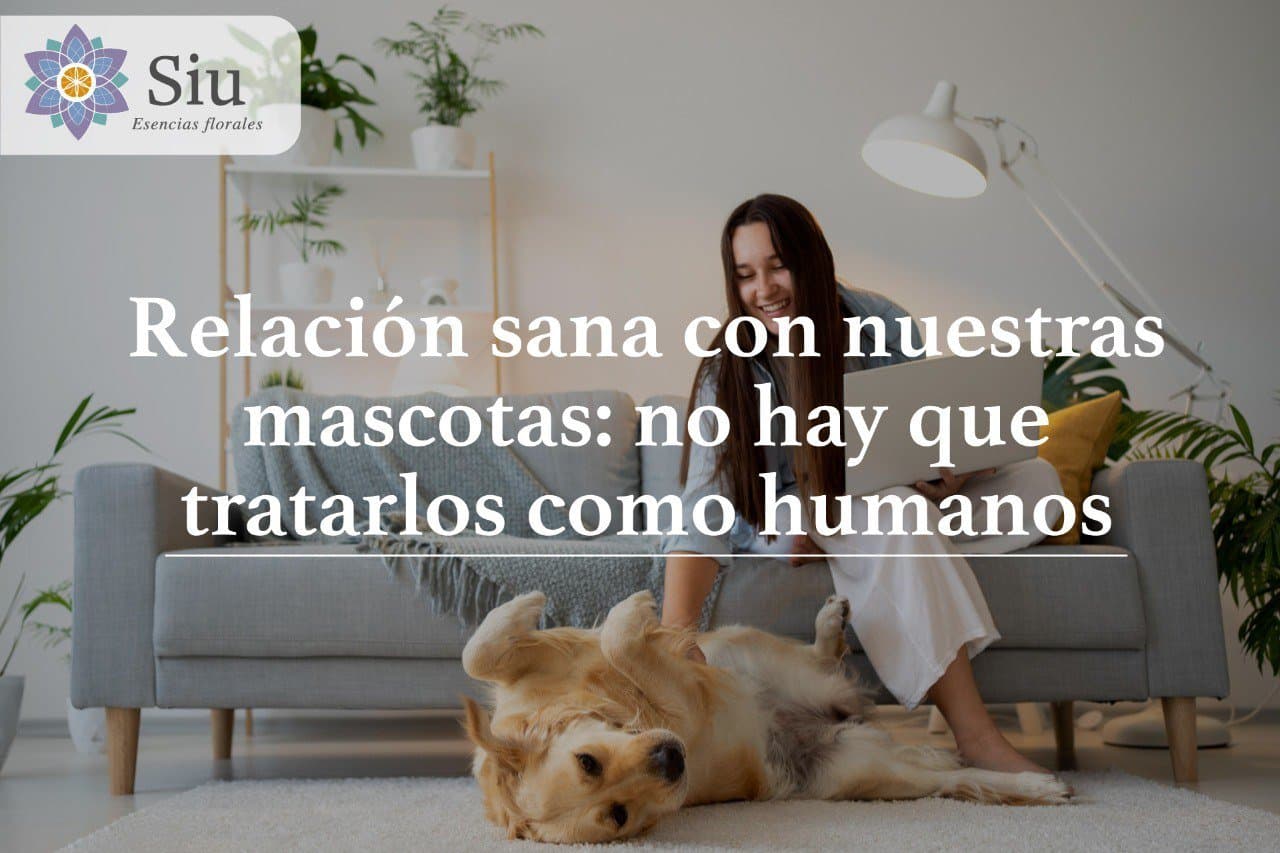
In recent years, companion animals like dogs and cats have started to change their role in family dynamics, since they stopped being seen as an object or possession and started being treated as one more member of the family. That said, the role they now occupy in our lives and families goes far beyond enjoying their company. Currently, the trend around pets has gone so far that, unfortunately, in some ways they're being “humanized,” sparking controversy over the potential risks these circumstances create for the animals.
And the fact of giving our companion animals human characteristics is creating potential risks to their well-being, and in many cases even crossing the line into animal mistreatment — that is, attributing human emotions, attitudes and habits to them suppresses the natural expression of their behaviors, producing serious consequences for their mental and emotional development. For example, normalizing situations like dressing them in costumes, celebrating their birthday as if they were a small child, dressing them daily even when weather conditions don't call for it, pushing them around in strollers, forbidding them from getting dirty or rolling in the grass, limiting their sniffing of other animals, avoiding play or interaction with others, even forbidding them from walking on the grass, putting boots and shoes on them to keep them from getting dirty — these are serious deviations in their behavior and, moreover, limitations on their natural expression as living beings.
If we add to this imposing certain habits like not exercising them, or feeding the animal strictly plant-based diets while ignoring their needs — cats, for example, are strict carnivores, so they absolutely need balanced diets with animal-based protein for their physical health, and likewise dogs are omnivores and need to eat both meat and vegetables.
Another fact worth adding, and quite common, is overprotecting them and treating them like our little human babies, which is extremely harmful for animals — because if a dog is with their guardian all the time, excessive attachment forms, and in their absence the animal can suffer separation anxiety, leading to serious panic attacks or destructive behaviors. Likewise, treating them like babies can cause constant frustration in the animal, leading them to develop chronic stress, which as a consequence will develop into serious behavioral problems such as destructive behaviors, anxiety, fear, insecurity, inappropriate elimination, excessive vocalizations, obesity, temperament changes, emotional dependence, over-attachment, even up to aggressive behaviors. From here another mistaken framing emerges: attributing complex emotions like revenge, envy or regret to animals, related to destructive behaviors from being left alone — those psychic capacities are typical of the human species, not of animals, and believing that our pets show them only leads us to ignore the real reasons the animal is showing abnormal behaviors. However, the fact that we love our pets from our human perspective isn't bad — our bond and relationship with animals has changed, and although they're not children in the sense that we're different species with different characteristics and needs, it isn't negative to give them all our affection, love and care, as long as we respect those differences between species. People and pets can share countless activities together: playing, petting, walking, running, swimming, exploring forests, climbing mountains, keeping each other company, etc. But each species will express its behaviors in different ways, according to its biological nature. For this reason, we must make sure our furry friends get what they need to be able to express their natural behaviors, maintaining the balance between their instincts and behaviors as a species and the limits needed for healthy coexistence at home. Otherwise, we can cause our furry friends physical and emotional problems that can make them sick and mentally disturbed.
As we know, living with companion animals is a wonderful experience — these beings give us countless benefits for our physical and mental health, which is why, if we truly love them, we must build healthy relationships, and the foundation of that is respect and good communication. To do that, it's key to recognize them as a species distinct from ours, as well as to properly understand and learn what their needs or requirements are. This way we'll maintain a harmonious, mutually beneficial coexistence with healthy, powerful bonds. It's our responsibility to understand and pass on to our families that an animal is a special being, and that it's essential to let them express their natural behaviors, such as: sniffing, running, exploring, getting dirty, socializing, swimming, playing, hunting, stalking, chasing, digging, herding, biting, etc. And that we shouldn't continually force them into activities that aren't part of their nature, such as: dressing them in costumes, putting clothes on them, carrying them in our arms or in strollers, etc.
Let's provide routines appropriate to their species, recreate as much as possible the environments and settings they need to feel comfortable and happy, and likewise study what kinds of activities they need to balance their mental and physical health — and above all, understand that treating our pets like humans can cause them serious harm, since they have their own forms of communication, social organization and rules of coexistence which, if disrupted, can affect their development as a species. Remember, they're wonderful for being who they are — don't let them lose their essence or their identity. Letting them be themselves will let them be truly happy, and that's how you show them how much you love them.
Lean on flower essences as a way to give back all the joy your furry friend brings you, and likewise to show them how much you love them. With our Unconditional Love flower blend, you go straight to your pet's heart — it's a great option for conveying all your affection and strengthening the bond. This blend is perceived by our furry friends as a big hug. Ideal for those moments when we want to pamper them — for example, through a relaxing massage, placing 2 drops on our hands and petting them wherever they like most. This is a positive way to tell them how much we love them.