
Stress is a state of physical and emotional tension that can be caused by a wide variety of factors. Often, stress is a normal and healthy reaction to the demands and pressures of everyday life. However, when stress becomes chronic or overwhelming, it can have negative effects on our physical and emotional health.
What Is Stress?
Stress is the body's response to situations it perceives as threatening or challenging. The body releases hormones such as cortisol and adrenaline, which increase heart rate, blood pressure, and breathing. These physiological changes prepare the body for a “fight or flight” response, which is useful in emergency situations.
However, when stress becomes chronic or excessive, it can have negative effects on physical and mental health, such as heart problems, diabetes, anxiety, and depression.
What Are the Causes of Stress?
It's important to recognize the sources of stress in our lives and take steps to manage them. Here are some of its causes:
- Work problems: Pressure at work, work overload, tight deadlines, workplace harassment, lack of control, and conflict with coworkers or superiors are some of the common causes of work-related stress.
- Financial problems: Worrying about debt, unemployment, bills, economic insecurity, and financial uncertainty can cause significant stress in people.
- Family problems: Family issues, such as divorce, separation, the illness of a loved one, raising children, or caring for aging parents, can be major sources of stress.
- Health problems: Chronic illness, pain, disability, injury, mental illness, and other health problems can be significant sources of stress.
- Major life changes: Significant life changes, such as moving, getting married, having a child, retiring, or losing a loved one, can be sources of stress.
- Unhealthy lifestyle: Lack of sleep, alcohol consumption, drug use, lack of exercise, poor nutrition, work overload, and other unhealthy habits can increase the risk of stress.
- Social problems: Discrimination, harassment, violence, poverty, and other social issues can be sources of chronic and traumatic stress.
- Environmental problems: Exposure to pollution, noise, overpopulation, climate change, and other environmental issues can cause stress and have negative effects on health.
Stress is a feeling and an inevitable part of life. The demands of work, family, and social life can negatively affect our physical and emotional health. Fortunately, there are many ways to manage stress, and one of them is through flower therapy. Flower essences work on an emotional level, including the emotions that stress triggers in us.
Flower Essences to Reduce Stress Levels:
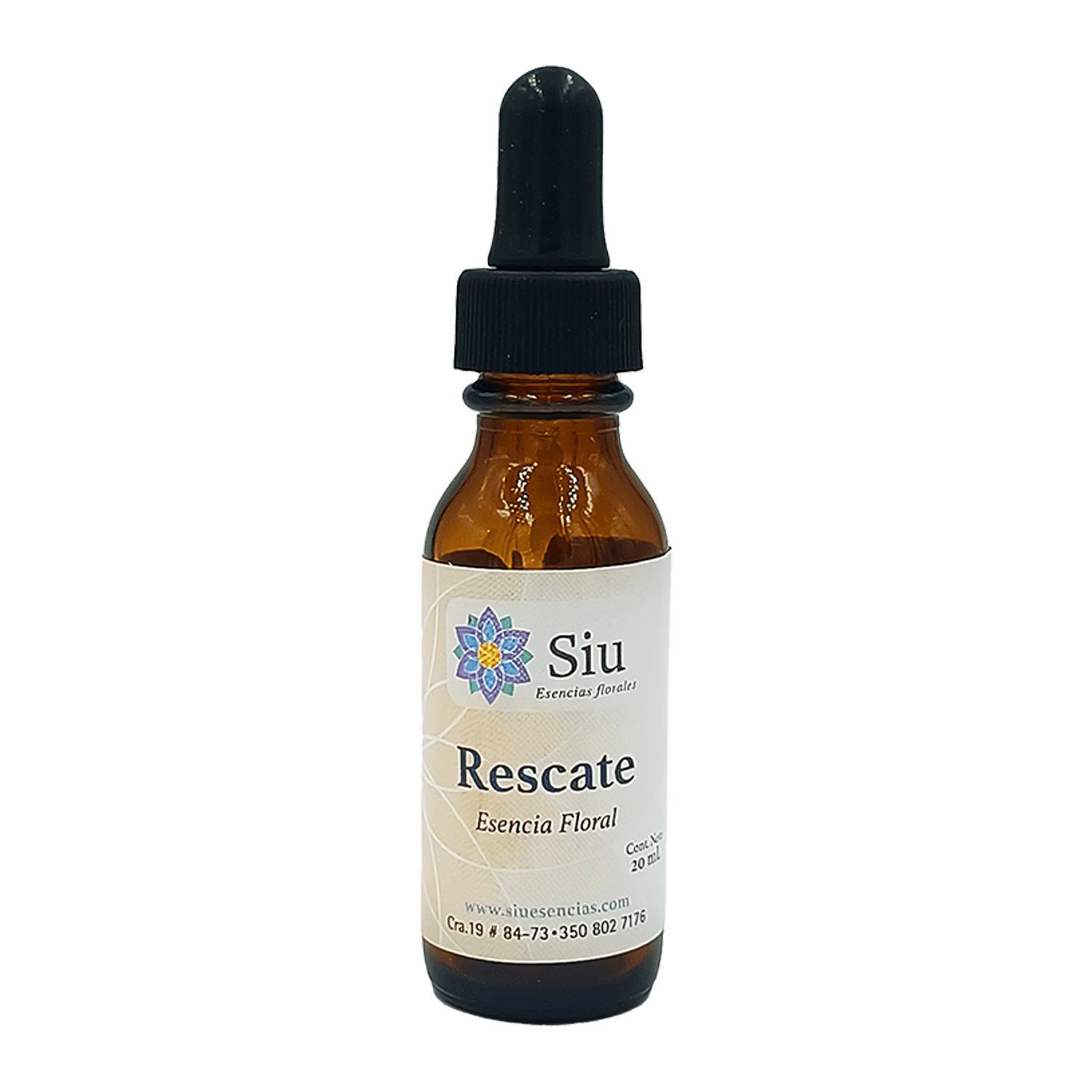
- Rescue Remedy: This is a blend of five different flower essences designed to relieve stress and anxiety. It can be helpful in acute crisis situations. More information
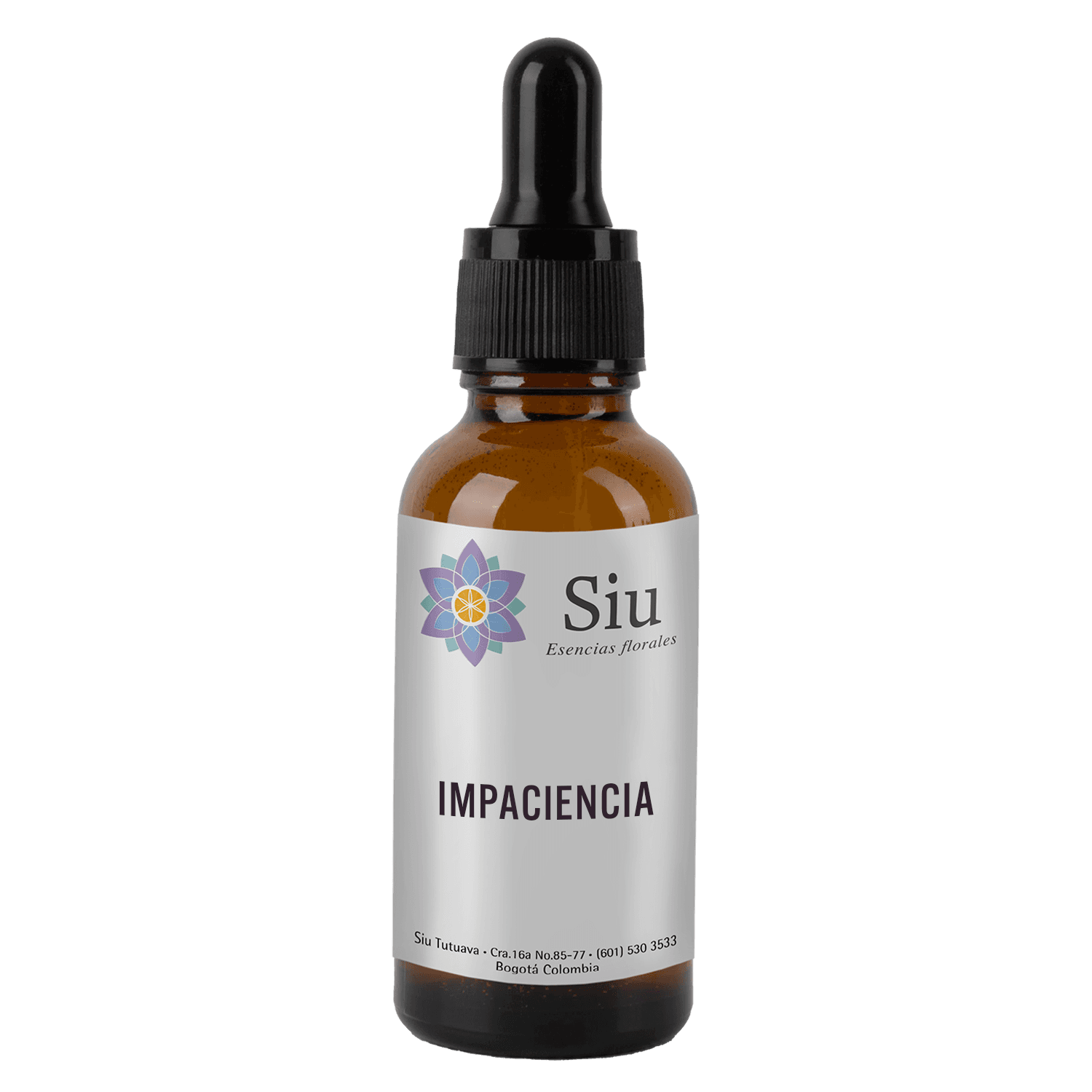
- Impatiens: Used to treat people who feel restless and impatient, especially when things aren't moving as quickly as they'd like. This flower essence can help people relax and become more tolerant in situations that would normally cause anxiety or frustration. More information
- Rock Rose: This flower essence is for those who experience fear or panic. It can be helpful in emergency situations or when things feel out of control. More information
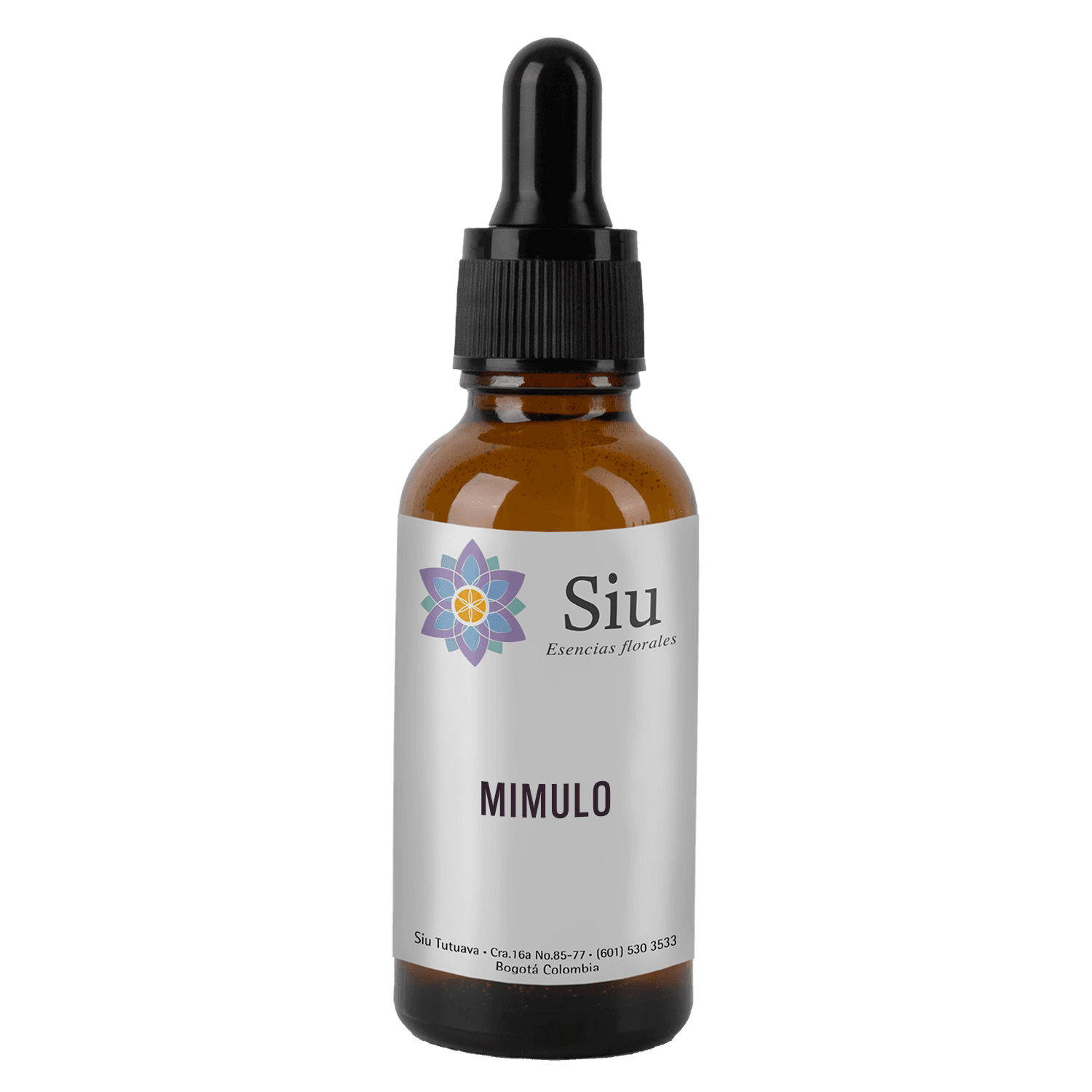
- Mimulus: This flower essence is for those who fear specific things, such as public speaking or flying. It can help those who feel stressed about upcoming events. More information
Flower essences can be a helpful therapy for relieving stress. There are many different essences available to address specific emotional issues. If you're looking for ways to reduce stress in your life, consider trying flower essences as part of your wellness plan. Our trained flower essence advisors will be happy to help you improve your stress levels; contact us at: http://bitly.ws/BKbq