

Dogs and cats cannot tell you in words that something is bothering them. They do it with their body: a lick that repeats too much, a nap that is no longer deep, a bark that does not sound like usual. The problem is that many of these signs are subtle, or get read as “quirks” or personality shifts, and they slip past unnoticed.
Here are the 7 most common signs that tend to be ignored, so you can learn to read them in time and know what to do when they show up.
Why it is worth paying attention
Restlessness in a pet almost never appears overnight. It usually builds slowly: a change in routine, a move, a loud noise that keeps repeating, a new pet or person joining the home, even time itself and the aches that come with age. When those signs are ignored for a long stretch, it is harder to see what set them off and harder to walk your pet back to balance.
Paying attention in time does not mean panicking at every behavior change. It means knowing your pet well enough to notice when something steps outside its usual pattern.
1. Changes in appetite
A dog or cat that suddenly eats much less, or starts eating in an anxious, rushed way, is telling you something. Appetite is one of the first indicators that shift when restlessness is present, precisely because eating is a moment that asks for feeling safe. If your pet leaves food half-eaten for several days in a row, or gulps its portion as if there will be no more, it is worth watching what else changed around those days.
2. Excess licking, chewing, or scratching
Some grooming is normal, especially in cats. The problem shows up when it becomes repetitive, always aimed at the same spot, or when you notice irritated skin, thinning fur, or small sores from constant licking. In dogs it can look like chewing paws or scratching areas with no visible itch. This kind of repetitive behavior is often a way to self-regulate when something feels off inside.
3. Panting, yawning, or trembling out of context
Panting after exercise is normal. Panting on the sofa, on a cool day, without having moved, is not. The same goes for repeated yawns in situations that are not boring at all, or for trembles with no cold or clear physical cause. These are signs of nervous-system activation that many owners read as tiredness or habit, when they are actually communicating tension.
4. Hiding more than usual
Cats are especially prone to this: they seek high, dark, or closed-off spaces when something bothers them, and it often gets read simply as “they like being alone.” But if your cat used to seek your company and now spends most of the day hidden, or if your dog starts taking refuge under furniture in moments that used to be fine, that is a sign worth attention.
5. Vocalizations that differ from the usual ones
Higher or more frequent meows, barks at times they used to stay quiet, whines with no clear reason. Each pet has its own “language,” and when that language changes tone or frequency, there is usually a reason. It is not the pet “being dramatic”; it is using the only tool it has to say that something is not at peace.
6. Changes in sleep or rest
A dog or cat that used to sleep deep and now wakes at any noise, that circles before lying down without finding a position, or that sleeps far more hours than usual as a way to check out, is showing rest that is no longer doing its job. Sleep is one of the first processes to suffer when there is underlying restlessness, in pets as in people.
7. Changes in elimination habits
A cat that starts peeing outside its litter box, or a dog that has accidents at home despite being trained, is not doing it out of defiance. Unless there is a medical cause (always worth ruling out first with your vet), this kind of shift is usually tied to restlessness or a need to mark territory against something new or unstable in the environment.
You might also like: Flower essences for pets: what they are, how they work, and when to use them
How flower essences can walk with these moments
None of these signs should be ignored, and none is fixed by a product alone: the first step is always to observe, adjust what you can in your pet’s environment, and, if something persists or intensifies, check with your vet. That said, flower essences can be support inside that process.
Flower essences for pets are made to support specific moments of tension: a move, a new member joining the home, a trip, loud noises like fireworks or storms, or simply stretches when you notice your pet more upset than usual. They do not sedate or force behavior to change; they walk with the pet’s natural process so it can regulate itself with a little more support.
They are simple to use, in drops, and usually fit into your pet’s daily routine without much fuss. They are a complement, not a replacement for veterinary care — especially when the signs are intense, keep repeating, or clearly affect your pet’s well-being.
Knowing your pet is the first step to walking with them well. If you have noticed any of these signs lately, pay attention to what changed around them and give yourself room to observe before assuming “that is just their character.” Sometimes what looks like a quirk is really a way of asking for help.
Find our flower essences for pets at your nearest Siu store.
You might also like: Flower therapy for your furry one
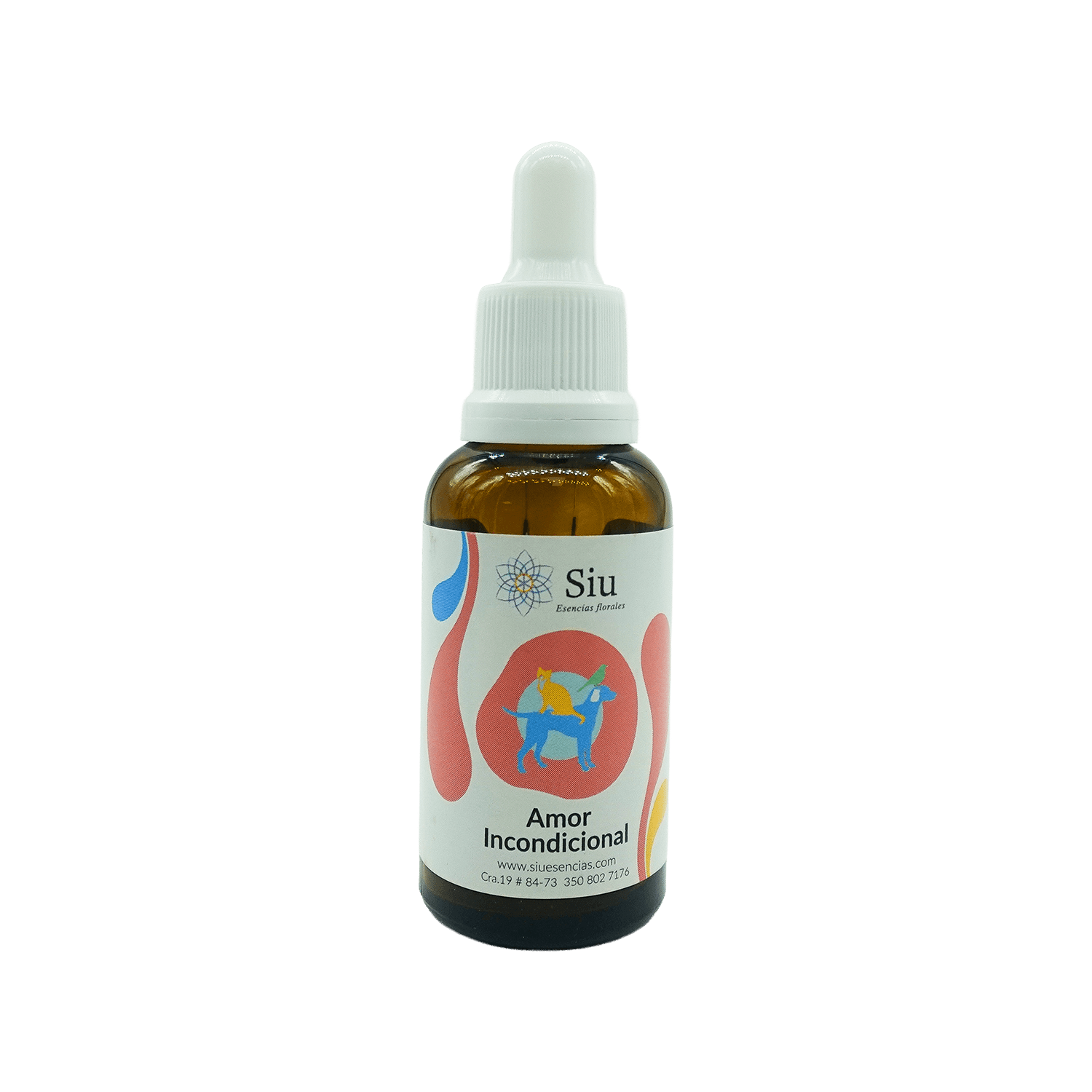
CTA: At Mascotas Siu we work with essences made for each of these moments, like Aprendizaje, Paz y Calma and Amor Incondicional, always as support inside the full care of your pet.